

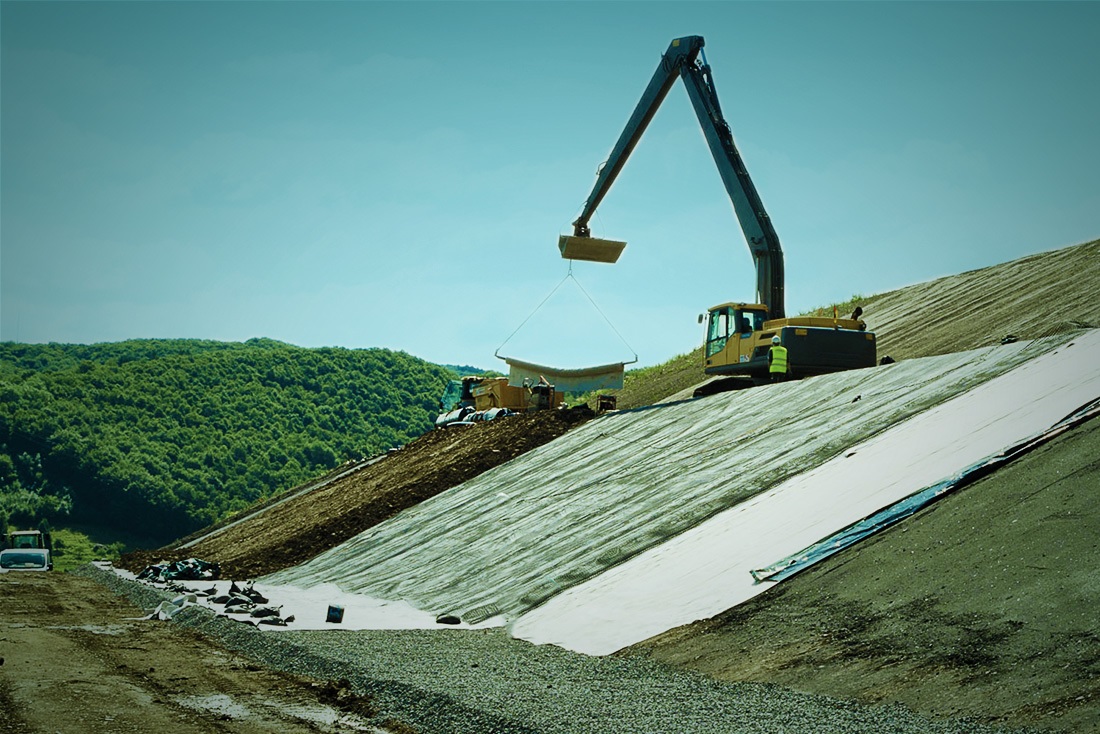
Understanding the Science Behind Ground Slope Stability
The Geology of Slopes: What Lies Beneath?
Ground slope stability is fundamentally rooted in geological science, which examines the materials and structure that form the earth’s crust. Understanding the geology of slopes involves analyzing soil composition, rock formation, and the physical processes that contribute to slope behavior. Layers of sediment, rock types, and fault lines play critical roles in determining a slope’s stability. For instance, clay-rich soils may exhibit significant plasticity, leading to potential landslides during wet conditions. Conversely, rocky terrains might seem stable, yet the presence of fractures or weathered material can compromise a slope’s integrity. Techniques such as soil sampling, geophysical surveys, and the use of borehole data are instrumental in assessing these subterranean attributes and provide essential insights into how to design appropriate stabilization measures.
Factors Influencing Slope Stability: More Than Just Gravity
While gravity is often perceived as the primary force acting upon slopes, numerous other factors significantly influence their stability. Water content in the soil can drastically affect its weight and cohesion; for example, when soil becomes saturated, its shear strength diminishes, elevating the risk of failure. Additionally, factors such as vegetation play essential roles—roots can stabilize soils and improve drainage, but removal of vegetation can lead to increased erosion. Furthermore, external forces like seismic activity, human construction, and even climate change can trigger slope instability. It’s also crucial to consider anthropogenic influences like land-use changes and infrastructure development, which can alter the hydrology of an area and impose additional stresses on existing slopes. Thus, a multifaceted approach that incorporates all these factors is necessary to effectively assess and mitigate risks associated with slope failure.
Common Types of Slope Failures: Why They Happen
Understanding the types of slope failures is critical to effective stabilization planning. Slope failures can take various forms, including landslides, rockfalls, and soil slips. Landslides, characterized by the downward movement of rock or soil, can occur due to a combination of saturated ground conditions and gravitational forces. Rockfalls, on the other hand, involve individual rocks or boulders breaking off from a steep slope, often triggered by weathering processes or seismic activity. Soil slips frequently happen on less steep inclines, where saturated soil loses cohesion and slides over a more stable layer below. Identifying the specific type of failure, its triggers, and its mechanisms is imperative for designing effective interventions. Moreover, analyzing historical failure data helps in understanding patterns and predicting future failures, allowing for proactive risk management strategies in regions prone to such events.
Innovative Techniques for Stabilization: Beyond Conventional Methods
Soil Nailing: Reinforcing Nature’s Architecture
Soil nailing has emerged as a vital technique for stabilizing slopes by reinforcing the soil with the installation of closely spaced steel bars or tendons, which create a stable composite structure. This method involves drilling into the slope, inserting the nails, and then applying a grouting medium that binds the nails with the surrounding soil. By increasing the resistance of the soil to shear forces and providing tensile strength, soil nailing provides an effective solution for both temporary and permanent stabilization. Not only does this method minimize the amount of excavation required, it also allows for the preservation of the natural landscape and can be integrated with other systems such as anchoring and shotcrete for increased efficacy. Additionally, soil nailing has versatility in its applications, ranging from roadways and railways to reinforced embankments, making it an essential addition to the arsenal of slope stabilization techniques.
Retaining Walls: Aesthetic Solutions to Structural Problems
Retaining walls serve as another critical solution for slope stabilization, catering not only to structural robustness but also to aesthetic considerations. These structures hold back soil and prevent erosion, making them invaluable in both residential and commercial applications. Various types of retaining walls exist, including gravity walls, cantilever walls, anchored walls, and modular block systems. The choice of wall type depends on site conditions, materials available, and anticipated loads. For instance, gravity walls rely on their weight to resist hydrostatic pressure, while anchored walls use cables or rods anchored into the soil to improve overall stability. A well-designed retaining wall can contribute positively to the surrounding landscape and even create new usable space on steep terrains. Moreover, the integration of drainage solutions, such as weep holes or backfill filters, ensures long-term durability by mitigating water pressure behind the walls, thus decreasing the risk of hydrostatic failure.
Bioengineering Approaches: Nature’s Own Reinforcement
Bioengineering approaches represent a growing trend in slope stabilization, leveraging ecological principles to improve slope performance. Utilizing native vegetation and plants with extensive root systems can significantly enhance soil strength and reduce erosion while simultaneously preserving biodiversity and aesthetics. Techniques such as live staking, where cuttings of suitable plants are pushed directly into the soil, can establish vegetative cover quickly, promoting soil cohesion. Coir mats and geotextiles made from natural fibers may also be utilized to encourage vegetation growth while providing immediate stabilization. Moreover, incorporating bioengineering approaches is often more sustainable and cost-effective compared to traditional engineering techniques, as they utilize renewable resources and promote natural habitat recovery. As environmental concerns continue to rise, bioengineering provides a promising avenue for slope stabilization that aligns construction efforts with ecological responsibility.
Choosing the Right Technique for Your Project: A Strategic Guide
Assessing Site Conditions: Tailoring Solutions to Terrain
Choosing the right ground slope stabilization technique demands a comprehensive assessment of site-specific conditions. This involves site surveys that examine soil type, existing vegetation, drainage patterns, and surrounding infrastructure. Tailoring solutions to the particular conditions is essential; for example, areas with high clay content may necessitate techniques that manage water drainage effectively, while rocky terrains might benefit more from soil nailing or retaining walls. Furthermore, it’s crucial to analyze slope angles and the potential for erosion or mass movement in varying weather conditions. Understanding soils’ behavior under stress, including any seasonal variations or potential climate impacts, enhances the ability to select the most suitable stabilization method. Engaging with geotechnical engineers during site assessment ensures a thorough evaluation and leads to informed decision-making based on empirical data and experience.
Cost vs. Benefit Analysis: Investing in Stability
The financial considerations surrounding slope stabilization projects often include an intricate cost versus benefit analysis. Evaluating the long-term stability and protection that certain methods offer requires comparing initial construction costs with potential future costs associated with slope failure—such as repairs, legal liabilities, and environmental remediation. Some stabilization techniques may appear less expensive upfront, but they could lead to higher costs over time if failures occur. Conversely, implementing comprehensive strategies that encompass multiple stabilization methods may yield better long-term results. Quantifying potential risks and losses associated with slope instability involves highlighting variables such as property damage, loss of life, or the loss of accessibility in critical locations. By providing a thorough analysis, stakeholders can make well-informed financial decisions that prioritize safety while still keeping a watchful eye on budgets.
Environmental Impacts: Ensuring Nature’s Harmony
Slope stabilization projects must address the potential environmental impacts associated with various techniques. Traditional engineering practices can disturb natural habitats, alter water drainage patterns, and introduce sediment into nearby ecosystems. Consequently, sustainability considerations are vital throughout the decision-making process. Techniques that promote ecological balance, such as bioengineering or green retaining wall systems, help mitigate harm to the environment by utilizing native plants that enhance local biodiversity. Moreover, the implementation of erosion control measures, like controlled drainage and sediment traps, helps protect against downstream sedimentation issues. Collaborating with environmental consultants during the project design phase can ensure that all construction methods adhere to local regulations and conservation efforts, promoting a harmonious relationship between infrastructure development and environmental integrity.
Future Trends in Slope Stabilization: Where Innovation Meets Sustainability
Smart Technologies: The Role of AI and Drones
The advent of smart technologies is transforming slope stabilization practices, with innovations such as artificial intelligence (AI) and drone technology revolutionizing how engineers assess and maintain slopes. AI can be employed to analyze large datasets collected from geological studies, predicting potential failure points and informing decision-making processes. Additionally, drones equipped with high-resolution cameras and LiDAR (Light Detection and Ranging) technology enable rapid surveying of hard-to-reach areas, capturing accurate topographic data that enhances design efficiency. These technologies facilitate ongoing monitoring of slopes over time, allowing for early detection of potential issues before they escalate into costly failures. By integrating smart technologies into stabilization efforts, project managers can improve both the safety and efficiency of their operations, leading to more sustainable outcomes.
Green Materials: The Push for Eco-Friendly Solutions
As sustainability becomes an ever-increasing priority in construction, the trend toward utilizing green materials in slope stabilization is gaining momentum. Innovations in eco-friendly materials—such as recycled geosynthetics, sustainably sourced organic matter, and similar alternatives—are reducing environmental footprints while still delivering robustness. Projects utilizing these materials not only combat climate change but also promote the health of surrounding ecosystems. Furthermore, using such materials often improves public perception and supports regulatory compliance, as many governments mandate sustainability in infrastructure projects. This shift towards greener materials is indicative of the industry’s response to the growing demands for responsible construction that prioritizes ecological conservation alongside structural integrity.
Regulatory Changes: Navigating Compliance in a New Era
The landscape of regulations governing slope stabilization is continually evolving as governments respond to the increasing occurrence of slope failures and climate-related events. These changes often emphasize stricter adherence to environmental protections and public safety standards. Staying informed about the latest regulations and compliance requirements is essential for engineers and contractors involved in slope stabilization projects. Furthermore, collaborating with regulatory bodies during project planning ensures that best practices are followed, preventing legal setbacks and promoting safer, more sustainable approaches. Additionally, adapting to regulatory changes can open up funding opportunities and provide credibility in project proposals, streamlining the approval process while encouraging proactive measures that align with contemporary environmental and safety concerns.
FAQ
Question: What is soil nailing, and when is it used? – Soil nailing involves the installation of steel bars or tendons into the slope’s soil to enhance its resistance to shear forces. It is commonly used in situations where excavation needs to be minimized while reinforcing stability.
Question: How do retaining walls contribute to slope stabilization? – Retaining walls provide structural support by holding back soil, preventing erosion and landslides. They can be designed to be aesthetically pleasing, integrating with the landscape while effectively managing earth pressure.
Question: What role do environmental considerations play in slope stabilization? – Environmental considerations are crucial as construction practices can disturb natural habitats and alter water drainage patterns. Techniques like bioengineering promote ecological balance and utilize native plants to reinforce slopes.
Question: How does soil composition impact slope stability? – Soil composition affects slope stability through its physical and chemical properties; for example, clay-rich soils can become unstable when saturated, whereas sandy soils may drain well but lack cohesion.
Question: What are bioengineering approaches in slope stabilization? – Bioengineering approaches leverage ecological principles, using plants to enhance soil cohesion and reduce erosion. Techniques like live staking or using geotextiles are common practices in these methods.
Question: Why is site-specific assessment necessary for slope stabilization? – Site-specific assessments ensure that the chosen stabilization methods are tailored to the unique conditions of the terrain, including soil type, vegetation, and drainage patterns, leading to more effective interventions.
Question: How can technology improve slope monitoring and assessment? – Smart technologies like AI and drones can enhance slope monitoring by providing accurate data analysis and topographic surveys, facilitating timely interventions to prevent slope failures.
Question: What should be considered for a cost versus benefit analysis in slope stabilization? – It’s essential to evaluate both initial construction costs and potential future costs associated with slope failure, alongside the long-term benefits of chosen stabilization techniques.