

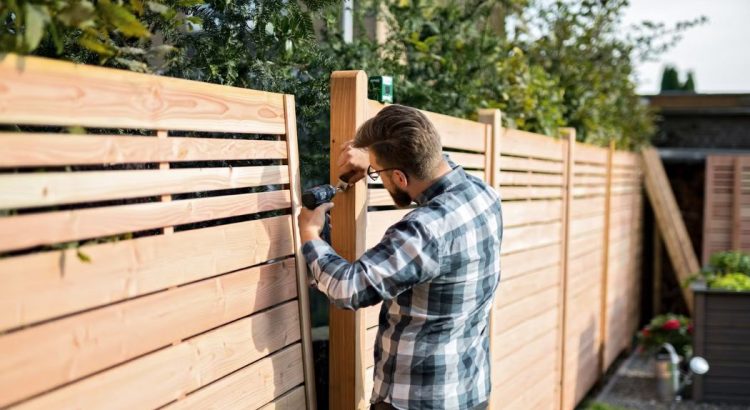
Key Takeaways
- Choosing the right fence installation company has a direct impact on the durability, appearance, and long-term value of your fence.
- A qualified contractor should be licensed where required, insured, experienced with multiple fencing materials, and transparent about pricing.
- Asking detailed questions about permits, timelines, warranties, and installation methods can help you avoid costly surprises.
- Professional installation often saves money over time by reducing maintenance, preventing premature repairs, and extending the life of the fence.
- Understanding each stage of the installation process allows homeowners to prepare their property and know what to expect from beginning to end.
- Clear communication between homeowners and contractors helps projects stay on schedule and ensures the finished fence meets expectations.
Why Choosing the Right Fence Installation Company Makes a Difference
Installing a fence may seem like a straightforward home improvement project, but the quality of the installation can influence how well the fence performs for years to come. Whether the goal is increasing privacy, improving security, defining property boundaries, or enhancing curb appeal, a fence represents a significant investment that deserves careful planning.
Many homeowners spend considerable time selecting the perfect fence style while giving less attention to the company responsible for installing it. In reality, even premium materials can fall short if they are installed improperly. Crooked fence lines, leaning posts, poorly aligned gates, and inadequate drainage preparation can all shorten a fence’s lifespan.
Working with a trusted installation company helps ensure every phase of the project is completed correctly. Skilled professionals understand local regulations, soil conditions, property layouts, and installation techniques that contribute to a strong, attractive fence capable of standing up to years of weather and everyday use.
How to Identify a Reliable Fence Installation Company
Finding a contractor isn’t difficult. Finding one that consistently delivers quality workmanship requires a little more research. Taking the time to evaluate companies before signing a contract often leads to a smoother project and greater peace of mind.
Verify Licensing, Insurance, and Experience
One of the first things homeowners should ask about is licensing and insurance. Depending on the location, fence contractors may need specific licenses to perform residential or commercial work. Even where licensing is not mandatory, proper insurance is essential.
A reputable company should carry liability insurance that protects both the homeowner and the contractor if unexpected property damage or workplace accidents occur during installation.
Experience also matters. Every property presents different challenges, including slopes, rocky soil, utility lines, drainage concerns, and uneven terrain. Contractors with years of fence installation experience are often better equipped to solve these issues without sacrificing quality.
Companies that regularly install a variety of fencing systems are typically familiar with:
- Wood privacy fences
- Vinyl fencing
- Aluminum fencing
- Ornamental iron fencing
- Chain link fencing
- Composite fencing
- Ranch and agricultural fencing
The broader their experience, the more prepared they are to recommend solutions based on the property’s unique needs rather than offering a one-size-fits-all approach.
Review Previous Projects and Customer Feedback
Past work provides valuable insight into the consistency of a contractor’s craftsmanship. Many established fence companies maintain galleries of completed projects that showcase different fence styles, property types, and installation conditions.
Reading customer reviews can also reveal patterns regarding professionalism, communication, punctuality, and post-installation service. While no company receives perfect feedback all the time, consistent positive experiences usually indicate dependable service.
If possible, ask for references from recent customers. Speaking directly with homeowners who have completed similar projects can provide reassurance before making a final decision.
Questions Worth Asking Before Hiring
The initial consultation offers an excellent opportunity to learn how a company operates. Asking thoughtful questions helps homeowners compare contractors based on more than just price.
Consider discussing topics such as:
- How long has the company been installing fences?
- Which fence materials do they recommend for the property?
- Will they obtain required permits?
- How are underground utilities handled before digging?
- What warranty is included on labor and materials?
- How long is the expected timeline?
- Will the installation crew consist of employees or subcontractors?
- How are unexpected issues communicated during the project?
Detailed answers often demonstrate organization and professionalism. Contractors who openly explain their process tend to inspire greater confidence than those who provide vague responses.
Benefits of Hiring Professional Fence Installers
Some homeowners consider installing a fence themselves to reduce costs. While this approach may work for small projects, larger installations often require specialized equipment, careful measurements, and experience with varying ground conditions.
Professional installation offers several advantages that extend beyond convenience.
Better Craftsmanship
Proper fence installation involves much more than digging holes and attaching panels.
Installers must accurately locate property lines, establish consistent spacing, maintain level fence lines across changing elevations, properly set posts in concrete, and ensure gates swing smoothly without sagging.
Attention to these details affects not only appearance but also long-term structural performance.
Small mistakes made during installation may not become obvious immediately, but over time they can lead to leaning sections, loose posts, drainage problems, or premature deterioration.
Greater Efficiency
Experienced installation crews follow organized workflows developed through years of completing similar projects.
They typically arrive with specialized equipment designed for:
- Digging consistent post holes
- Compacting soil properly
- Mixing concrete efficiently
- Handling heavy fence panels safely
- Installing gates with precise alignment
Because they work systematically, projects are often completed much faster than homeowners expect while maintaining a high standard of workmanship.
Long-Term Savings
The lowest installation quote isn’t always the best value.
Properly installed fences generally require fewer repairs over their lifetime. Strong foundations, quality hardware, and accurate installation techniques reduce maintenance while extending the life of the entire fencing system.
A durable fence may also contribute to higher property value by improving security, privacy, and curb appeal.
For many homeowners, investing slightly more upfront ultimately results in lower ownership costs over the years.
Choosing the Right Fence Material
Selecting the appropriate material is just as important as selecting the contractor. Every fencing option offers unique benefits depending on budget, maintenance preferences, and aesthetic goals.
Wood Fencing
Wood remains one of the most popular choices because of its natural appearance and versatility.
It provides excellent privacy and can be customized through staining or painting. However, wood requires periodic maintenance to protect against moisture, insects, and weather exposure.
Vinyl Fencing
Vinyl fencing has become increasingly popular among homeowners seeking low-maintenance solutions.
Unlike wood, vinyl does not require painting or staining and resists rot, insect damage, and fading. Although initial costs may be higher, maintenance expenses are generally much lower over time.
Aluminum and Ornamental Metal
Aluminum fencing offers an elegant appearance while resisting rust and corrosion.
These fences work especially well around pools, gardens, and decorative landscapes where visibility remains important without sacrificing security.
Chain Link Fencing
Chain link continues to be an economical solution for residential, commercial, and industrial properties.
Modern options include coated finishes and privacy slats that improve appearance while increasing durability.
Composite Fencing
Composite materials combine recycled wood fibers with synthetic components to create fencing that resembles natural wood while requiring significantly less maintenance.
For homeowners seeking longevity with minimal upkeep, composite fencing presents an attractive alternative.
What to Expect During a Fence Installation Project
Knowing how the installation process typically unfolds helps homeowners prepare their property and set realistic expectations. While every project has unique requirements, experienced fence contractors generally follow a structured process designed to minimize delays and deliver consistent results.
Initial Consultation and Property Assessment
Every successful fence installation begins with a conversation. During the consultation, the contractor learns about the homeowner’s goals, preferred materials, desired level of privacy, budget, and timeline.
The next step is evaluating the property itself. This assessment may include:
- Measuring the perimeter
- Identifying slopes and elevation changes
- Locating trees, landscaping, or existing structures
- Discussing gate placement
- Reviewing access points for installation equipment
- Identifying potential drainage concerns
This evaluation allows the contractor to recommend the most suitable fencing solution while identifying any challenges before work begins.
Planning and Permits
Many municipalities require permits before installing certain types of fencing. Height restrictions, setback requirements, and neighborhood regulations can vary significantly.
If the property is located within a homeowners association (HOA), additional approval may be necessary before installation can begin.
Professional fence companies are often familiar with local regulations and can guide homeowners through the permitting process. Handling these requirements correctly helps prevent unnecessary delays or future compliance issues.
Another important step involves marking underground utility lines before digging begins. Utility locating services help prevent accidental damage to gas, water, electrical, or communication lines, improving both safety and efficiency.
Site Preparation
Preparation lays the groundwork for a successful installation.
Before digging begins, installers may remove sections of old fencing, clear brush or vegetation, trim overgrown landscaping, and mark the exact fence line.
Accurate measurements are especially important. Even small alignment errors can become highly noticeable over the length of a property.
Professional crews take time to establish straight lines, verify corner locations, and ensure gate openings are positioned exactly where they are needed.
Post Installation
Fence posts serve as the structural foundation of the entire system.
Contractors carefully dig each post hole to the proper depth based on soil conditions, frost lines, and fence height. Once positioned correctly, the posts are secured with concrete or other approved materials before being allowed adequate time to cure.
Proper spacing and alignment at this stage determine how stable and visually appealing the finished fence will be.
Installing Rails, Panels, and Gates
Once the posts are fully secured, installation moves quickly.
Depending on the fence style, crews install rails, pickets, panels, or mesh while continually checking for consistent spacing and level alignment.
Gate installation receives particular attention because gates experience more daily use than any other portion of the fence.
Professionally installed gates should:
- Open and close smoothly
- Latch securely
- Remain level over time
- Resist sagging
- Provide consistent spacing around the frame
Taking extra care during this phase contributes significantly to the fence’s long-term performance.
Final Walkthrough
Before considering the project complete, reputable contractors perform a final inspection with the homeowner.
This walkthrough provides an opportunity to verify that:
- Fence lines follow the agreed layout.
- Gates function properly.
- Hardware is securely installed.
- The work area has been cleaned.
- The project meets the homeowner’s expectations.
It’s also the ideal time to ask questions about maintenance, warranties, and recommended care for the chosen fencing material.
The Importance of Communication Throughout the Project
One characteristic shared by highly rated fence installation companies is consistent communication.
Homeowners appreciate knowing what to expect before work begins, during installation, and after completion. Contractors who provide regular updates help eliminate uncertainty while allowing homeowners to plan around the project.
Strong communication often includes:
Clear Scheduling
Reliable companies provide realistic start dates and keep homeowners informed if weather or unexpected site conditions require adjustments.
Accessible Points of Contact
Knowing exactly who to call with questions simplifies the entire experience.
Whether speaking with a project manager, estimator, or installation supervisor, homeowners benefit from having one consistent contact throughout the project.
Transparent Problem Solving
Unexpected issues occasionally arise during construction.
Hidden tree roots, buried concrete, unstable soil, or property line questions can affect installation plans.
Experienced contractors explain these situations promptly while presenting practical solutions before additional work proceeds.
Long-Term Value of Professional Fence Installation
A professionally installed fence offers benefits that continue long after construction is complete.
Improved Property Appearance
A well-designed fence creates visual definition while complementing the home’s architecture and landscaping.
Whether choosing a decorative aluminum fence, a classic wood privacy fence, or modern composite materials, quality installation enhances overall curb appeal.
Better Security and Privacy
One of the primary reasons homeowners invest in fencing is increased security.
A properly installed fence helps create a defined boundary while providing a safer space for children and pets to play outdoors.
Privacy fencing can also reduce visibility from neighboring properties, creating a more comfortable outdoor living environment.
Lower Maintenance Requirements
Quality workmanship contributes directly to reduced maintenance.
Correctly installed posts remain stable longer, gates continue operating smoothly, and properly aligned fence sections experience less stress from weather and everyday use.
As a result, homeowners often spend less time and money on repairs.
Increased Property Value
While every real estate market is different, attractive fencing frequently adds appeal for prospective buyers.
Many buyers appreciate move-in-ready properties with professionally installed fencing because it eliminates the need for a future improvement project.
Final Thoughts
Hiring a fence installation company involves much more than comparing estimates. The contractor’s experience, communication, craftsmanship, and attention to detail all influence the final outcome.
Taking time to verify credentials, review previous work, ask thoughtful questions, and understand the installation process can help homeowners make informed decisions with confidence.
A professionally installed fence is more than a property boundary. It enhances privacy, strengthens security, improves curb appeal, and creates lasting value for years to come. By partnering with a reputable fence installation company, homeowners can enjoy a finished project that performs beautifully and stands the test of time.
Frequently Asked Questions
How long does a typical fence installation take?
Project timelines vary depending on the size of the property, fence material, weather conditions, and site preparation requirements. Many residential projects are completed within several days, while larger or more complex installations may take longer.
Which fence material requires the least maintenance?
Vinyl, aluminum, and composite fencing generally require less maintenance than traditional wood fences. They resist rot, insects, and weather-related deterioration while needing only occasional cleaning.
Should homeowners be present during installation?
While it is not always necessary, being available at the beginning and end of the project can be helpful. Homeowners can answer questions, confirm layout details, and participate in the final walkthrough.
Will the contractor handle permits?
Many professional fence installation companies assist with permit applications and ensure projects comply with local regulations. Homeowners should confirm this during the initial consultation.
How can homeowners extend the life of their fence?
Regular inspections, cleaning, prompt repairs, and following the manufacturer’s maintenance recommendations help maximize the lifespan of any fencing system.
What should homeowners compare besides price?
Experience, insurance coverage, workmanship warranties, customer reviews, communication, material quality, and installation methods should all be considered alongside the project cost. Choosing the lowest estimate without evaluating these factors may lead to higher expenses in the future.


