

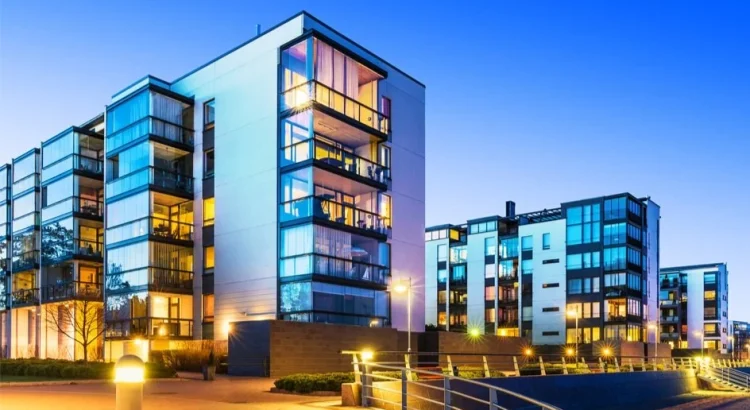
Real estate is a cornerstone of the global economy, encompassing residential, commercial, industrial, and land properties. It extends beyond buying and selling buildings; it reflects economic trends, investment strategies, urban development, and individual aspirations. Understanding the nuances of real estate is essential for investors, developers, and homebuyers alike.
The Evolution of Real Estate
Real estate has evolved over centuries from simple land ownership to a sophisticated industry that integrates finance, law, architecture, and urban planning.
Historical Perspective
- Ancient Foundations: Land and property ownership were markers of wealth and power in ancient civilizations like Mesopotamia, Egypt, and Rome. Property rights and land taxation were early forms of economic regulation.
- Medieval Era: Feudal systems dictated land use, with lords controlling estates and peasants working the land. Real estate was more about control than investment.
- Industrial Revolution: Urbanization created demand for housing, commercial spaces, and infrastructure, giving rise to modern real estate markets.
- Contemporary Real Estate: Today, technology, globalization, and financial instruments like mortgages and REITs (Real Estate Investment Trusts) have transformed property investment and development.
Types of Real Estate
Understanding property types is fundamental for both investors and consumers. Real estate can broadly be divided into four categories:
Residential Real Estate
Residential real estate includes properties designed for individuals and families to live in. Key types include:
- Single-Family Homes: Standalone houses ideal for family living, often featuring yards or gardens.
- Multi-Family Units: Apartments, condominiums, and townhouses accommodating multiple families.
- Luxury Residences: High-end properties offering advanced amenities, security, and prime locations.
Residential properties are influenced by factors like location, school districts, neighborhood safety, and amenities.
Commercial Real Estate
Commercial real estate refers to properties used for business purposes. These include:
- Office Buildings: Ranging from high-rise corporate spaces to co-working hubs.
- Retail Spaces: Shopping centers, malls, and standalone stores catering to consumer markets.
- Hotels and Hospitality: Lodging facilities and resorts that generate revenue through occupancy.
Commercial properties are valued based on rental yields, foot traffic, and location relevance.
Industrial Real Estate
Industrial properties support manufacturing, storage, and logistics. They include:
- Warehouses and Distribution Centers: Critical in supply chain and e-commerce logistics.
- Factories and Manufacturing Units: Sites for production and assembly.
- Research and Development Facilities: Spaces dedicated to technological innovation.
Industrial real estate has grown significantly with the rise of e-commerce and global supply chains.
Land and Agricultural Real Estate
Vacant land or agricultural properties provide opportunities for development, farming, or conservation. These properties are often evaluated based on:
- Soil quality and topography
- Zoning laws and development potential
- Proximity to urban centers or infrastructure
Land investment offers long-term appreciation and strategic opportunities for development.
The Role of Real Estate in the Economy
Real estate is not just a personal asset; it is a major driver of economic growth.
- Employment Generation: Real estate development employs architects, contractors, engineers, and brokers.
- Investment and Wealth Creation: Properties often appreciate over time, offering both passive income and capital gains.
- Urban Development: Residential and commercial projects stimulate infrastructure, transportation, and civic amenities.
- Government Revenue: Property taxes, development fees, and real estate transactions contribute significantly to public funds.
Key Factors Influencing Real Estate
Multiple variables determine the value and success of a property in the market.
Location and Accessibility
Location remains the single most critical factor. Properties near business hubs, transport networks, schools, hospitals, and shopping centers command higher prices and rental yields.
Market Trends and Economic Indicators
- Interest Rates: Lower rates reduce mortgage costs, increasing buyer affordability.
- Employment Rates: High employment boosts demand for residential and commercial spaces.
- Urbanization: Cities with growing populations see increased demand for housing and commercial developments.
Government Policies
Regulations, zoning laws, and tax incentives influence property investment. For example, affordable housing schemes or industrial corridor developments can drive market dynamics.
Infrastructure and Amenities
- Reliable utilities, roads, and public transportation increase property desirability.
- Modern amenities like gyms, parks, and security enhance both rental and resale value.
Real Estate Investment Strategies
Real estate is a preferred investment avenue due to its potential for long-term returns and diversification. Common investment approaches include:
Buy-to-Rent Strategy
Investors purchase residential or commercial properties to generate rental income. This strategy emphasizes:
- Location selection for consistent occupancy
- Maintenance and property management to retain value
- Understanding tenant preferences and market demand
Flipping Properties
Property flipping involves buying undervalued properties, renovating, and selling them at a higher price. Success depends on:
- Accurate market analysis
- Quality renovation work
- Timing the sale to match market peaks
Real Estate Investment Trusts (REITs)
REITs allow investors to invest in real estate portfolios without directly owning properties. Benefits include:
- Liquidity similar to stocks
- Diversification across property types
- Regular dividend income
Commercial Development
Investing in commercial properties like offices or retail spaces can generate long-term returns through lease agreements and capital appreciation.
Technological Advancements in Real Estate
Technology is reshaping how real estate is bought, sold, and managed.
PropTech and Digital Platforms
Property technology (PropTech) enables:
- Virtual tours and 3D property visualizations
- Online marketplaces connecting buyers and sellers
- Digital contracts and e-signatures for seamless transactions
Smart Buildings and Automation
Modern real estate increasingly integrates:
- Energy-efficient systems and IoT devices
- Automated climate control, lighting, and security
- Predictive maintenance through data analytics
Big Data and AI Analytics
Data-driven insights help developers, brokers, and investors:
- Predict market trends and property valuations
- Optimize investment portfolios
- Target marketing strategies to specific demographics
Sustainability and Green Real Estate
Sustainable real estate focuses on environmentally conscious construction and energy efficiency. Practices include:
- Using recycled and low-impact building materials
- Designing energy-efficient layouts and insulation
- Incorporating solar panels, rainwater harvesting, and green spaces
Sustainable properties not only reduce environmental impact but also attract tenants willing to pay premium rates.
Challenges in the Real Estate Sector
Despite its potential, real estate faces complex challenges:
- Market Volatility: Property values can fluctuate due to economic downturns or policy changes.
- Regulatory Hurdles: Compliance with zoning laws, construction permits, and tax regulations can delay projects.
- Liquidity Issues: Selling real estate requires time and market demand, making it less liquid than other assets.
- Competition: Developers and investors face intense competition in high-demand areas.
Success in real estate requires careful planning, risk management, and adaptability.
Careers in Real Estate
The real estate industry offers diverse career opportunities beyond property ownership:
- Real Estate Agents and Brokers: Facilitating property sales, rentals, and client advisory services
- Property Managers: Handling maintenance, tenant relations, and operational efficiency
- Urban Planners and Developers: Designing and managing residential and commercial projects
- Financial Analysts and Appraisers: Evaluating property values and investment potential
Professional expertise and market knowledge are crucial for thriving in this dynamic sector.
FAQs About Real Estate
Q1: What is the best type of real estate investment for beginners?
For beginners, residential properties or REITs are often ideal due to lower complexity, steady demand, and manageable risk.
Q2: How does location affect property value?
Properties in prime locations with access to amenities, transportation, and high-demand neighborhoods typically appreciate faster and generate higher rental income.
Q3: Can technology replace real estate agents?
Technology enhances efficiency through digital listings and analytics but cannot fully replace agents, whose expertise in negotiation, local knowledge, and legal compliance remains vital.
Q4: How do economic trends influence real estate markets?
Interest rates, employment rates, urbanization, and inflation directly affect property demand, pricing, and investment returns.
Q5: What makes sustainable real estate valuable?
Energy efficiency, eco-friendly materials, and modern infrastructure reduce operational costs, attract tenants, and improve long-term resale value.
Q6: What is the role of a real estate appraiser?
Appraisers determine property value using market analysis, comparable sales, and income potential, helping buyers, sellers, and lenders make informed decisions.
Q7: How can investors mitigate risks in real estate?
Diversifying property types, conducting thorough market research, understanding regulations, and partnering with experienced professionals can reduce investment risk.
Q8: What trends are shaping the future of real estate?
PropTech, smart buildings, sustainable construction, urbanization, and flexible workspaces are reshaping how properties are developed, marketed, and used.


