

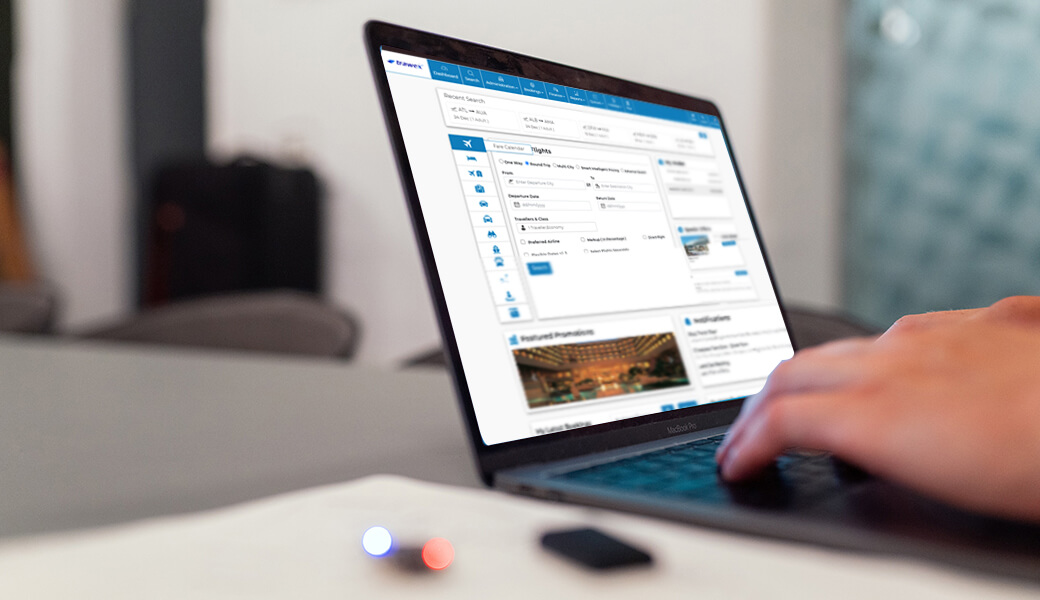
A few years ago, booking an activity often meant a phone call, a handwritten schedule, and a lot of crossed fingers. Customers hoped someone would pick up, and operators hoped nothing would be double booked. As experience based businesses have grown, from escape rooms to tours and classes, that old approach has quietly become unsustainable.
Today, guests expect instant confirmation, flexible payments, and clear communication. At the same time, operators need tools that help them stay organized without spending their entire day behind a screen. This is where modern activity reservation software has stepped in and changed the rhythm of how experiences are sold and managed.
Why activity based businesses face unique booking challenges
Unlike hotels or restaurants, activity based businesses operate on fixed time slots, limited capacity, and staff availability. Each booking is tied to people, equipment, and space, all of which need to align perfectly. One small mistake can ripple through the rest of the day.
These businesses also deal with groups, not just individuals. A single reservation might involve ten people paying separately or one person covering the full cost. Without the right system, managing these details can quickly become overwhelming and prone to error.
Digital reservation tools were designed to solve these exact problems. They bring structure to complexity and give operators a clear overview of what is happening now and what is coming next.
The cost of manual systems
Relying on spreadsheets, notebooks, or basic calendars often works at first. But as demand grows, those tools start to crack under pressure. Missed emails, forgotten payments, and scheduling conflicts become more common.
Beyond lost revenue, there is also a trust issue. Guests notice when communication feels disorganized. A smooth booking experience sets expectations for the activity itself, and a messy one can undermine confidence before guests even arrive.
What activity reservation software actually does
At its core, reservation software centralizes bookings, payments, and scheduling into one system. Customers can see availability, choose a time slot, and secure their spot without waiting for staff approval. That immediacy reduces friction and increases conversion rates.
For operators, everything lives in one place. You can view upcoming sessions, track capacity, and manage customer details without juggling multiple tools. This clarity makes day to day operations far easier to handle.
The best platforms also automate repetitive tasks. Confirmation emails, reminders, and payment notifications happen in the background, freeing up staff to focus on delivering great experiences.
Creating a smoother customer journey
From the guest perspective, a good booking system feels invisible. It guides them step by step, answers common questions, and confirms details clearly. There is no confusion about time, location, or what to expect.
That confidence carries into the experience itself. When guests arrive prepared and informed, sessions run more smoothly. A strong reservation process sets the tone long before the activity begins.
Scheduling made simple for complex operations
Scheduling is one of the most challenging aspects of running an activity based business. Time slots need to align with staff availability, room capacity, and equipment readiness. Manual coordination leaves too much room for error.
Modern platforms allow operators to define rules around availability. You can set recurring sessions, block out maintenance time, or adjust capacity based on staffing levels. Once those rules are in place, the system enforces them automatically.
This reduces the risk of overbooking and underutilization. Instead of constantly checking schedules, staff can trust that bookings are aligned with reality.
Managing staff and resources together
Activities often rely on specific staff members or facilitators. Reservation software can link bookings directly to staff schedules, ensuring someone qualified is assigned to each session. This avoids last minute scrambling and burnout.
Equipment tracking adds another layer of control. Whether it is safety gear or game props, knowing what is in use and when helps prevent conflicts. Everything stays coordinated within a single system.
Flexible payments and pricing strategies
One of the biggest advantages of digital booking systems is payment flexibility. Guests can pay in full, split costs within a group, or reserve now and pay later. These options remove barriers that might otherwise stop someone from booking.
For businesses, pricing no longer has to be static. You can adjust rates based on demand, time of day, or group size. Seasonal pricing and special offers become easier to manage without manual adjustments.
This flexibility allows operators to respond to real world patterns. Quiet periods can be boosted with incentives, while peak times can be priced to reflect demand.
Reducing cancellations and no shows
Clear payment policies and automated reminders significantly reduce no shows. When guests receive timely notifications and understand cancellation rules, they are more likely to follow through or reschedule responsibly.
Some systems also allow secure card storage for deposits or penalties. This adds accountability while still feeling professional and transparent. The result is steadier revenue and fewer empty slots.
Using data to make smarter decisions
Every booking generates valuable data. Over time, patterns emerge around popular time slots, group sizes, and customer behavior. Activity reservation software turns this information into usable insights.
Operators can see which sessions sell out fastest and which struggle to fill. Marketing efforts can then be focused where they matter most. Decisions are based on real numbers rather than guesswork.
Data also helps with long term planning. Staffing levels, expansion ideas, and pricing strategies all benefit from understanding how customers actually book and attend.
Improving experiences through feedback
Many platforms integrate post experience surveys or follow up emails. This creates a natural channel for feedback without extra effort from staff. Guests feel heard, and businesses gain insight into what works.
Over time, small adjustments based on feedback can lead to meaningful improvements. Better instructions, clearer expectations, or minor schedule tweaks can all come from listening to customers.
Marketing tools that support growth
Booking software is no longer just an operational tool. It plays a role in marketing and customer retention as well. Integration with email platforms and social channels helps businesses stay connected with their audience.
Last minute availability can be promoted quickly, filling slots that might otherwise go empty. Special events or seasonal offerings can be shared directly with past guests who already know the brand.
Some systems also support gift vouchers and promotional codes. These features turn happy customers into advocates who bring in new business.
Building loyalty over time
A smooth booking experience encourages repeat visits. When guests remember how easy it was to reserve and attend, they are more likely to come back. Loyalty grows from convenience as much as from the activity itself.
Storing customer preferences and history allows for personalized communication. A simple reminder or tailored offer can make guests feel recognized rather than marketed to.
Legal and operational peace of mind
Running activities often involves liability considerations. Digital waiver management simplifies this process by collecting signatures before guests arrive or on site. Everything is stored securely and linked to the booking.
This reduces paperwork and lowers the risk of lost documents. Staff can focus on safety and engagement instead of chasing forms. Clear records also provide reassurance if questions arise later.
Operational consistency improves as well. When policies and procedures are built into the booking flow, everyone follows the same process. That consistency protects both the business and the guest.
Scaling without chaos
As a business grows, systems are tested. What worked for ten bookings a week may not work for a hundred. Reservation software provides a foundation that can scale without breaking.
New activities, staff members, or locations can be added within the same framework. Growth feels intentional rather than reactive, which keeps quality high even as volume increases.
Choosing the right platform for your business
Not all booking systems are created equal. The best choice depends on the type of activity, the size of the operation, and long term goals. Flexibility and ease of use should be top priorities.
Look for platforms that adapt to your workflow rather than forcing you into a rigid structure. Customization, clear support resources, and transparent pricing all matter more than flashy features.
Most importantly, think about how the software fits into your daily routine. A good system should simplify your work, not add another layer of complexity.
Thinking beyond today
Investing in the right activity reservation software is not just about solving current problems. It is about preparing for future opportunities. As customer expectations evolve, having a solid digital foundation allows you to adapt quickly.
Whether you are just starting out or refining an established operation, the right tools make growth sustainable. When bookings run smoothly, you can focus on what matters most, creating memorable experiences that keep people coming back.