

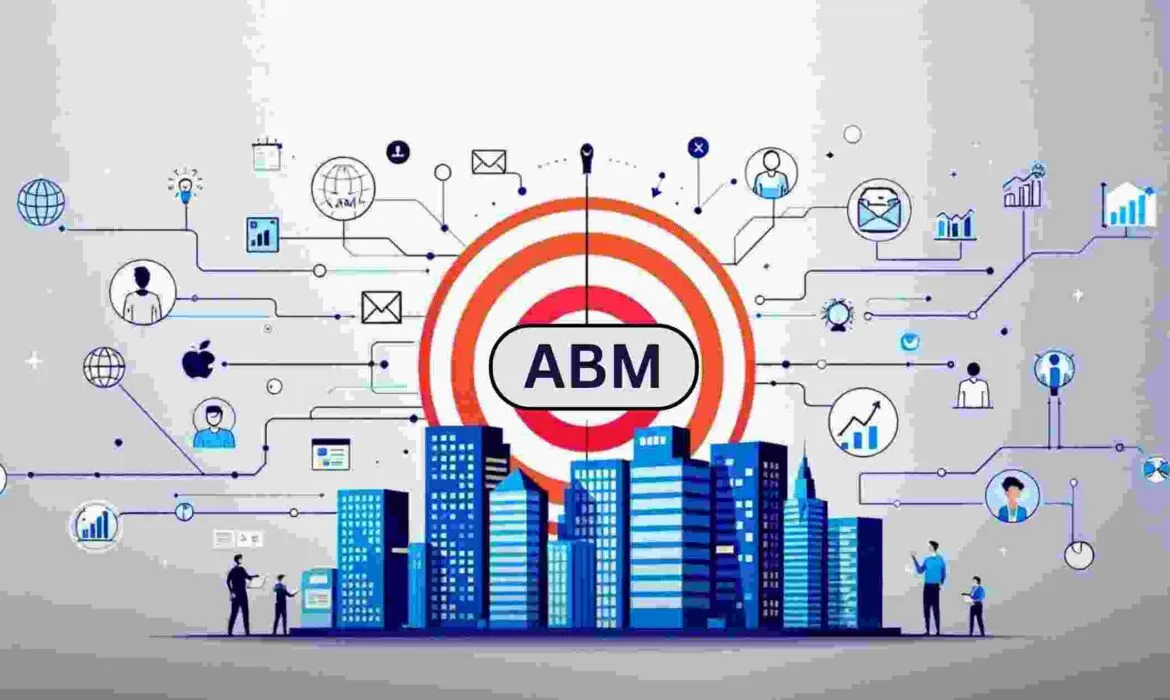
Complex B2B purchases often involve long evaluation periods, several decision-makers, technical questions, procurement requirements, and internal approval. Broad campaigns may create awareness, but they rarely provide every stakeholder with the information required to support a high-value decision
Businesses with complex sales processes can use account-based marketing services to organize account research, identify key stakeholders, and develop communication strategies suited to specific organizations. This structure can help marketing and sales support the complete buying committee rather than depending on one contact.
Map the Actual Sales Process
The recorded sales cycle may begin when a lead enters the customer-management system, but buyers often conduct research before identifying themselves.
The team should examine previous opportunities, sales-call notes, customer interviews, proposal stages, technical reviews, and procurement requirements. This reveals how decisions are actually made.
The map should identify information gaps, delays, and common points of failure. These findings can guide account campaigns and sales enablement.
Identify Every Important Stakeholder
A high-value purchase may involve an economic buyer, operational owner, technical evaluator, procurement team, legal reviewer, and executive sponsor.
Each role has different priorities and authority. The program should identify both formal decision-makers and people who can influence or block progress.
Stakeholder maps should be updated as sales teams learn more. Early assumptions about organizational structure may prove incorrect.
Develop Role-Specific Messages
Executives may focus on strategic value and financial impact. Operational teams may care about usability and implementation. Technical reviewers may examine security, compatibility, and risk.
Marketing should create a shared central message with supporting information for each role. The company should not present different or conflicting value propositions.
Role-specific communication helps an internal champion explain the purchase to colleagues using evidence relevant to their concerns.
Support Problem Recognition
Some accounts may not fully recognize the cost or risk of their current situation. Early communication can help stakeholders understand the issue and evaluate whether action is necessary.
Industry insights, assessments, benchmarks, and educational content can create useful context.
The material should remain credible and avoid manufacturing urgency. Complex buyers are likely to question unsupported claims.
Provide Evaluation Content
As the account moves forward, stakeholders need information about approaches, capabilities, implementation, support, and evidence.
The program may provide technical resources, customer stories, process explanations, comparison frameworks, and project-planning material.
Content should answer real questions from previous opportunities. Producing assets without input from sales may result in material that is rarely used.
Build the Internal Business Case
Even when a buyer prefers the company’s solution, the purchase may fail without internal approval.
Marketing can support business-case development with outcome frameworks, risk explanations, implementation expectations, and evidence from relevant customers.
Financial estimates must be appropriately qualified. The objective is to help the buyer evaluate, not promise results the provider cannot guarantee.
Coordinate Opportunity-Based Campaigns
Account-based activity can continue after an opportunity enters the pipeline. Marketing may help maintain stakeholder engagement and support sales conversations.
Campaigns can address missing roles, stalled stages, upcoming meetings, or specific concerns. Sales should approve the timing and purpose.
Opportunity campaigns should not overwhelm buyers with automated communication during sensitive negotiations.
Use Account Intelligence Carefully
Intent data and engagement signals may reveal that an organization is researching relevant topics. However, these indicators do not always prove an active purchase.
The account team should combine digital signals with sales knowledge, business triggers, and relationship history.
Intelligence should inform decisions, not replace judgement. Incorrect assumptions can create poorly timed outreach.
Create a Multithreaded Relationship
Relying on one contact creates risk. That person may leave, lose influence, or fail to build internal support.
The program should help sales develop relevant relationships across the committee. Content, events, executive engagement, and specialist conversations can provide appropriate entry points.
Multithreading should remain coordinated and respectful. Several representatives contacting the same organization without visibility can damage trust.
Align Marketing and Sales Reviews
Complex opportunities require frequent information sharing. Sales knows the current conversation, while marketing may see broader account engagement.
Joint reviews can identify missing stakeholders, content needs, and the next appropriate action.
The team should document decisions so account activity remains consistent even when staff members change.
Measure Stage Progression
Traditional marketing metrics do not show whether an account is moving toward a decision.
The program should monitor stakeholder coverage, meetings, content use, stage movement, proposal activity, and pipeline value.
Progress should be interpreted according to the sales cycle. A technical review may represent meaningful advancement even when no new form conversion occurs.
Address Risk and Procurement
Late-stage buyers may examine data security, legal terms, financial stability, service continuity, and implementation risk.
The account program should identify these concerns early and prepare accurate resources.
Marketing should coordinate with legal, technical, finance, and delivery teams rather than creating unsupported answers.
Learn From Wins and Losses
After an opportunity closes, the company should review which stakeholders, messages, content, and interactions influenced the outcome.
Lost opportunities can reveal gaps in account selection, positioning, evidence, or process.
These lessons should update future campaigns and sales playbooks. Without structured review, the organization may repeat the same mistakes.
Final Thoughts
Complex B2B sales require more than lead generation. Buyers need relevant communication, stakeholder coordination, credible evidence, and support for internal approval.
An account-based approach can organize these activities around each priority organization. When marketing and sales share research and opportunity insight, they can provide a more coherent buying experience and help qualified accounts progress through demanding evaluation processes.