

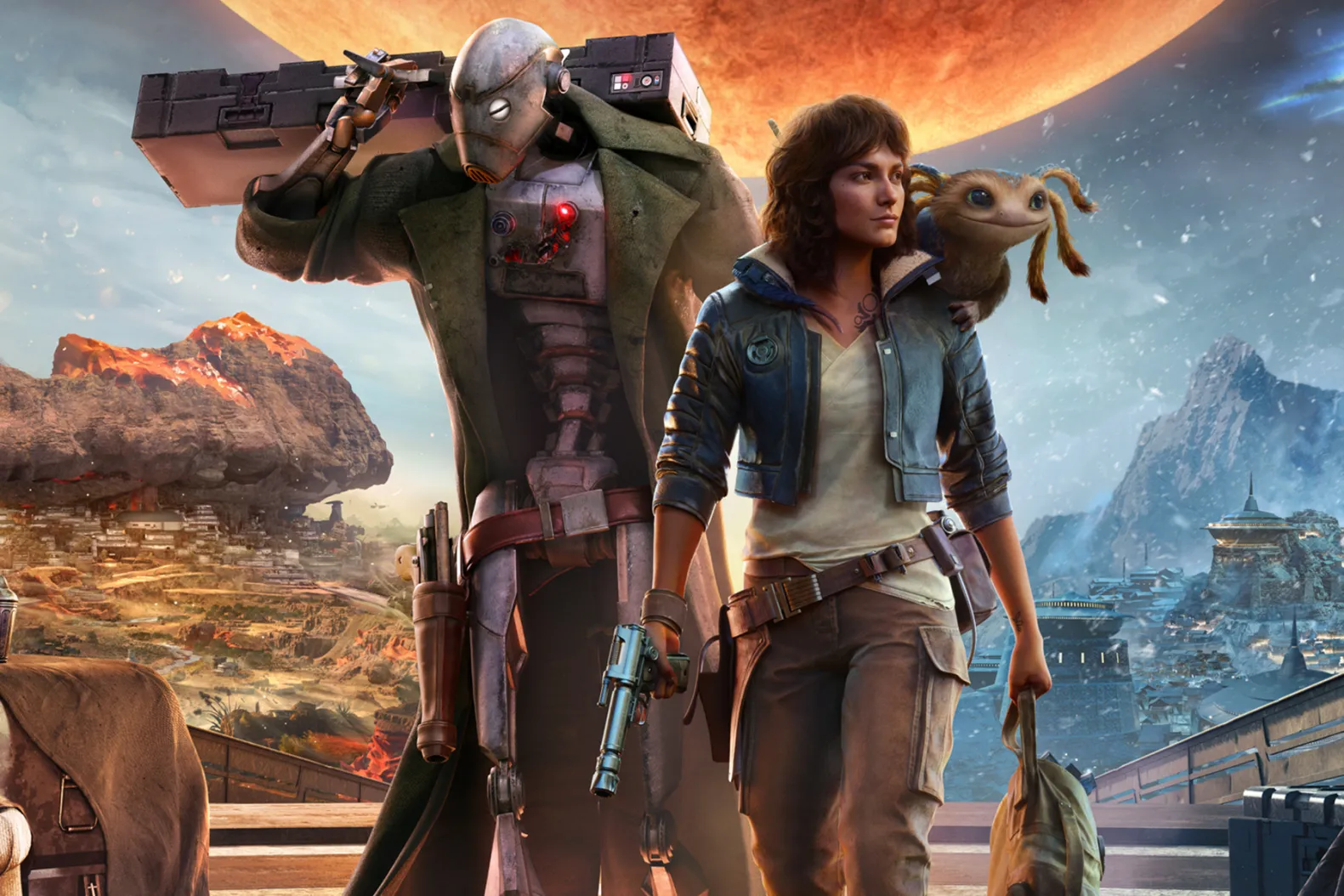
Games have been an integral part of human culture for millennia, evolving from simple, recreational activities to multi-billion-dollar industries. Whether for entertainment, education, or competition, games occupy a unique place in society, offering a blend of skill, strategy, and enjoyment. The landscape of games has shifted dramatically over time, from ancient board games to modern video games, reflecting both technological advances and cultural changes. This article delves into the various aspects of games, exploring their history, types, impact, and future.
The History of Games
Games have always been part of human existence, from the ancient civilizations to today’s highly digitalized world. Their purposes have evolved from purely recreational to more complex forms of competition, education, and socialization.
Early Beginnings
The first evidence of games dates back thousands of years. Archaeological findings suggest that early humans played games with simple tools and objects:
- Board Games: Games such as Senet, played in Ancient Egypt around 3000 BC, and The Royal Game of Ur, from Mesopotamia, were early forms of strategy games.
- Physical Games: The ancient Greeks and Romans enjoyed various physical games that later inspired modern-day sports.
- Dice Games: Ancient civilizations such as the Chinese, Greeks, and Romans used dice for games of chance, marking the early development of gambling games.
The Rise of Modern Games
In the 19th and 20th centuries, the invention of new games—especially board games and card games—brought games into households worldwide:
- Board Games: Classic games like Chess, Monopoly, and Scrabble emerged as staples of family entertainment.
- Card Games: Games like Poker, Bridge, and Solitaire have long been central to both casual and competitive play.
- Video Games: With the advent of computers and consoles, video games became a dominant force in the gaming world, starting with early arcade games like Pong in the 1970s and evolving into sophisticated, immersive experiences.
Types of Games
Games are incredibly diverse, spanning multiple genres and formats. The different types of games cater to various interests, from physical activity to intellectual challenges and virtual entertainment.
Physical Games and Sports
Physical games, or sports, involve active participation and often have competitive elements:
- Team Sports: Football, basketball, soccer, and rugby are all team-based sports requiring coordination, strategy, and physical endurance.
- Individual Sports: Tennis, boxing, athletics, and swimming focus on individual performance, emphasizing personal skill, focus, and discipline.
- Recreational Games: Non-competitive games like frisbee, badminton, or even tag provide recreational outlets without the pressure of competition.
Board Games and Tabletop Games
Board games have remained a popular pastime for generations, often focusing on strategy, chance, or role-playing:
- Strategy Games: Games like Risk, Catan, and Go require deep strategic thinking, often involving diplomacy, resource management, and tactical planning.
- Word Games: Games like Scrabble and Boggle are popular for their word-building mechanics and social interaction.
- Role-Playing Games (RPGs): Games such as Dungeons & Dragons have become cultural icons, where players assume the roles of characters in imaginary settings, collaborating to create a story through dice rolls and narrative decisions.
Card Games
Card games have a long-standing tradition, from simple family games to highly strategic competitions:
- Classic Card Games: Games like Poker, Bridge, and Rummy are played both casually and professionally, often involving complex strategies and social interaction.
- Collectible Card Games (CCGs): Games such as Magic: The Gathering and Yu-Gi-Oh! have revolutionized card games by introducing collectible and tradeable elements, where players collect cards to build personalized decks.
Video Games
The digital age has brought video games to the forefront, influencing culture, social interaction, and entertainment on an unprecedented scale:
- Action and Adventure Games: Titles like The Legend of Zelda, Tomb Raider, and Grand Theft Auto combine exploration, puzzle-solving, and combat in expansive worlds.
- Role-Playing Games (RPGs): Games such as Final Fantasy and The Witcher 3 immerse players in intricate worlds where they make decisions that affect the game’s narrative.
- Simulation and Strategy Games: Games like The Sims and Civilization provide players with the opportunity to control virtual societies, manage resources, and make long-term decisions.
- Sports and Racing Games: These games simulate real-life sports or racing events, such as FIFA, NBA 2K, and Gran Turismo, allowing players to experience realistic athletic challenges.
Online and Mobile Games
The rise of the internet and mobile devices has transformed the gaming world by making games more accessible and interactive:
- Online Multiplayer Games: Games like Fortnite, League of Legends, and World of Warcraft allow players to connect with others globally in virtual worlds.
- Mobile Games: Games like Candy Crush, Pokémon Go, and Clash of Clans have brought gaming to the palms of people’s hands, accessible on smartphones and tablets.
The Impact of Games on Society
Games have a significant impact on culture, psychology, and the economy. They are not just sources of entertainment but also powerful tools for learning, socialization, and even health.
Cognitive and Educational Benefits
Many games are designed to stimulate cognitive development, enhance problem-solving skills, and foster critical thinking:
- Board Games and Card Games: These games often improve strategic thinking and planning skills. Chess, for example, enhances cognitive abilities like concentration, memory, and logical reasoning.
- Educational Video Games: Games like Minecraft and Osmo have been used in educational settings to teach subjects like math, history, and science through interactive play.
- Puzzle Games: Games like Sudoku and Crossword Puzzles exercise the brain, improving memory, attention to detail, and problem-solving capabilities.
Social Interaction and Community Building
Games create communities, often bringing people together from across the world:
- Multiplayer Online Games: Games like Minecraft and Fortnite foster social connections through shared experiences and teamwork, enabling players to communicate and collaborate virtually.
- Board Game Cafés and Events: Many communities have embraced the social aspects of tabletop gaming, with board game cafés and conventions fostering relationships through shared interest.
- Family Bonding: Board games like Monopoly, Clue, and Scrabble are traditional family staples, providing opportunities for bonding and fun for all ages.
Psychological and Therapeutic Impact
Games also play a role in mental health, providing a means of relaxation, stress relief, and emotional expression:
- Escape and Relaxation: Video games and board games offer an escape from the stresses of daily life, providing a temporary respite and an enjoyable distraction.
- Therapeutic Use of Games: Certain types of games are used in therapeutic settings, such as rehabilitation games for physical therapy or therapeutic role-playing games for those with PTSD or anxiety.
- Improving Mental Health: Games like Journey or Celeste are designed with emotional narratives that help players navigate mental health challenges, offering catharsis and emotional healing through gameplay.
The Economics of the Gaming Industry
The gaming industry is a multibillion-dollar global market, with video games, online gaming, and mobile gaming leading the charge in terms of revenue.
Global Market Growth
- Revenue: The video game industry is expected to generate over $159 billion in revenue globally in 2021. This figure includes console, PC, and mobile gaming, with mobile games representing a significant portion of the market.
- Game Development: Major companies like Electronic Arts (EA), Activision Blizzard, and Nintendo lead the charge in game development, investing heavily in research, design, and marketing.
- Esports: Competitive gaming has evolved into a professional sport, with esports tournaments offering millions of dollars in prize money and attracting massive global audiences.
The Impact on Employment
- Game Development Careers: The gaming industry offers a range of career opportunities, from game designers and programmers to artists, voice actors, and marketers.
- Streaming and Content Creation: Platforms like Twitch and YouTube have enabled a new breed of content creators who stream their gameplay, review games, and connect with audiences, creating new career paths in the gaming ecosystem.
FAQs About Games
Q1: What are the benefits of playing board games?
Board games help improve social skills, problem-solving abilities, and strategic thinking. They foster face-to-face interaction, reduce screen time, and provide quality family entertainment.
Q2: How do video games impact cognitive development?
Video games can improve cognitive skills such as memory, attention, and decision-making. Games that involve strategic thinking or complex puzzles stimulate brain areas involved in planning and problem-solving.
Q3: Are online games safe for children?
Online games can be safe if played responsibly. Parents should monitor game content, set time limits, and ensure children are not exposed to inappropriate material or harmful online interactions.
Q4: What are the most popular types of mobile games?
Casual games, such as Candy Crush, and strategy games, like Clash of Clans, dominate the mobile gaming market. Mobile games are often easy to pick up and play, making them ideal for short gaming sessions.
Q5: How does gaming contribute to social interaction?
Online multiplayer games allow players to connect with friends or strangers from around the world. These games foster teamwork, communication, and a sense of community, especially through shared goals and experiences.
Q6: Can gaming be beneficial for mental health?
Yes, gaming can provide stress relief and emotional expression. Therapeutic games specifically designed for mental health, such as those addressing anxiety or depression, are gaining recognition for their positive impact.
Q7: What is the future of gaming technology?
The future of gaming will likely include virtual reality (VR), augmented reality (AR), and cloud gaming. These technologies promise to revolutionize gameplay by making experiences more immersive and accessible.