

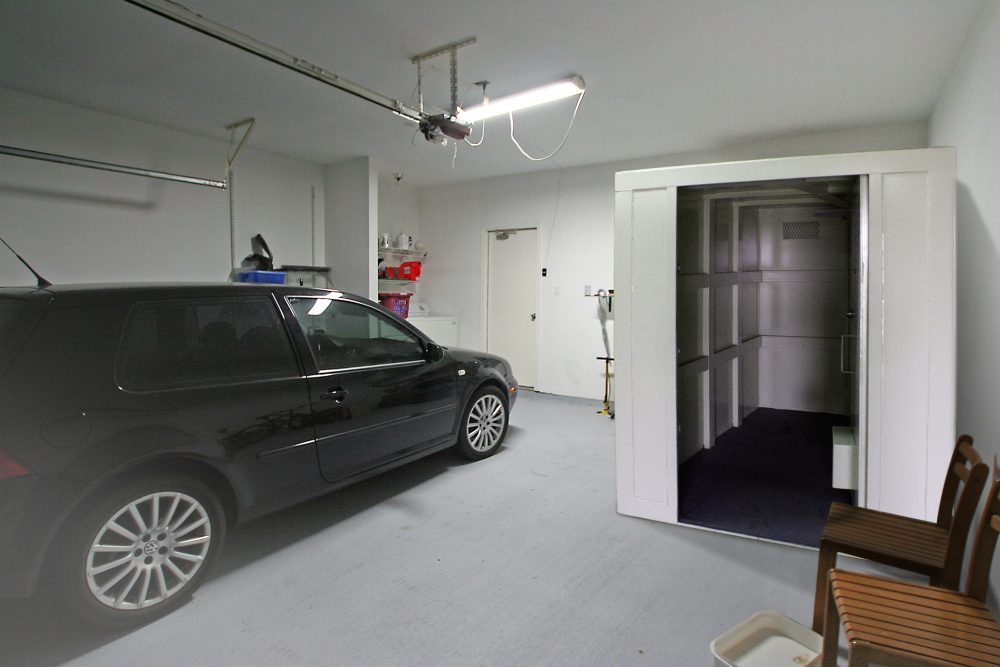
When a tornado siren blares or a hurricane approaches, every second counts. In those tense moments, families instinctively search for shelter, often without a clear plan. But what if safety was just a door away? Safe rooms, once considered a luxury or reserved for military use, are becoming an increasingly practical solution for homeowners across the country. Designed to withstand high winds, flying debris, and even home invasions, these fortified spaces offer peace of mind in uncertain times.
What Is a Safe Room?
A safe room, sometimes called a storm shelter or panic room, is a reinforced structure built to provide near-absolute protection in extreme scenarios. While some are standalone units placed underground or in a backyard, others are integrated into homes—disguised as closets, bathrooms, or storage spaces. Whether pre-fabricated or custom-built, they follow specific standards set by agencies like FEMA and the International Code Council.
Unlike basements or interior hallways, which may offer partial protection during storms, safe rooms are built with reinforced concrete, steel doors, and impact-resistant features that help fortify your home against severe weather and other threats.
Why Safe Rooms Are on the Rise
The growing popularity of safe rooms isn’t a coincidence. As weather patterns shift and extreme storms increase in frequency, many homeowners are looking for practical ways to protect their families and property. Tornadoes, hurricanes, and derechos are becoming more destructive, and traditional home construction often falls short in keeping occupants safe during these events.
At the same time, rising awareness about home security has also made safe rooms appealing. In areas where burglary or home invasions are a concern, a secure space with a reinforced lock and emergency supplies can make all the difference.
Additionally, many insurance companies recognize the value of a safe room. Some offer policy discounts to homeowners who invest in storm-safe construction, helping offset the cost over time.
Built for More Than Weather
While storm protection is the most common reason for installing a safe room, these structures serve a variety of functions. They can be used to:
- Secure valuables such as documents, firearms, and jewelry
- Store emergency supplies like food, water, flashlights, and first aid
- Provide refuge during a break-in or domestic threat
- Function as a backup command center in case of disaster
Families with young children, elderly members, or individuals with medical needs may find a safe room especially valuable. Having a clear, accessible space to shelter in place can reduce confusion and panic when emergencies strike.
How to Fortify Your Home Against Severe Weather
Fortifying your home starts with identifying your biggest risks. For some, it may be tornadoes. For others, hurricanes or wildfires. Whatever the hazard, the idea is to prepare for the worst while hoping for the best.
One of the most effective steps you can take is incorporating a safe room into your home’s design. If you’re building a new house, consider planning for a reinforced interior space from the start. For existing homes, retrofitting a garage, basement, or interior closet can be a cost-effective option. Modern safe room kits are easier to install than ever and can often be added in a few days.
Other ways to fortify your home against severe weather include:
- Installing impact-resistant windows and doors
- Reinforcing your roof and anchoring it to the walls
- Securing heavy furniture and appliances
- Creating an emergency kit and communication plan
These steps, combined with a safe room, can drastically improve your ability to ride out a storm with minimal injury or damage.
What to Expect from a Safe Room Installation
Safe rooms vary in complexity and price depending on the materials used, size, and intended use. A small steel-reinforced closet may cost a few thousand dollars, while a larger underground shelter with ventilation, plumbing, and electricity can run much higher. Some homeowners choose pre-engineered shelters that arrive ready to install, while others opt for custom builds that blend into the home’s design.
A reputable contractor will evaluate the structural integrity of your home and recommend the best location for your safe room. They’ll also ensure the room complies with FEMA guidelines, which include wind resistance, ventilation, and accessibility standards.
Common Myths About Safe Rooms
Myth 1: They’re only for wealthy people
In reality, safe rooms are increasingly affordable. FEMA and local governments sometimes offer grants or incentives to help offset installation costs for qualified homeowners.
Myth 2: I can just hide in the basement
While basements offer some protection, they are not immune to collapse or flooding. A true safe room provides added structural integrity that most basements lack.
Myth 3: They take too long to build
Depending on the size and type, some safe rooms can be installed in just a few days with minimal disruption to your home.
Future-Proofing Your Investment
As the threat of extreme weather events continues to rise, future-proofing your home is becoming more than just a smart choice—it’s a necessary one. Safe rooms not only protect lives but can also add value to your property. In a real estate market where buyers are increasingly interested in home security and resilience features, a well-built safe room can set your home apart.
Moreover, integrating other smart technologies—like remote locking systems, backup power, and surveillance monitoring—can turn your safe room into a multifunctional safety hub.
Final Thoughts
You never know when disaster might strike, but you can control how prepared you are. Safe rooms offer a reliable way to fortify your home against severe weather, home intrusions, and other emergencies. Whether you’re building from scratch or retrofitting an existing space, the investment is a small price to pay for the safety and peace of mind it brings.
As weather unpredictability increases, so too should our readiness. A safe room is more than a shelter. It is a statement—a commitment to safety, resilience, and protecting what matters most.